Treatments
Treatment should follow understanding.
From established medical treatment to selected supportive and emerging therapies, every option is considered in the context of your diagnosis, goals, evidence and safety.
Not every treatment is appropriate for every patient.
How we choose treatment
Right treatment. Right patient. Right time.
Treatment is selected according to the clinical problem, the strength of the evidence, your medical history and what is likely to change outcomes that matter to you.
- Established care first
- Emerging therapies clearly identified
- Safety and monitoring built in

Hormone & Metabolic Therapy
Evidence-based hormonal and metabolic treatment guided by symptoms, examination, bloodwork and ongoing monitoring.
- Testosterone replacement therapy where clinically indicated
- Menopausal hormone therapy where appropriate
- Medical weight management
- GLP-1/GIP-based treatment and other metabolic therapies where indicated
- Ongoing safety and response monitoring
Established medical care

Peptide Therapy
Selected peptide-based therapies considered on an individual basis, with careful screening, discussion of the available evidence and ongoing monitoring.
- Individual clinical assessment before prescribing
- Evidence and regulatory status vary by peptide
- Contraindications and medication interactions reviewed
- Monitoring where clinically appropriate
- Not a substitute for established treatment
Emerging / selective use
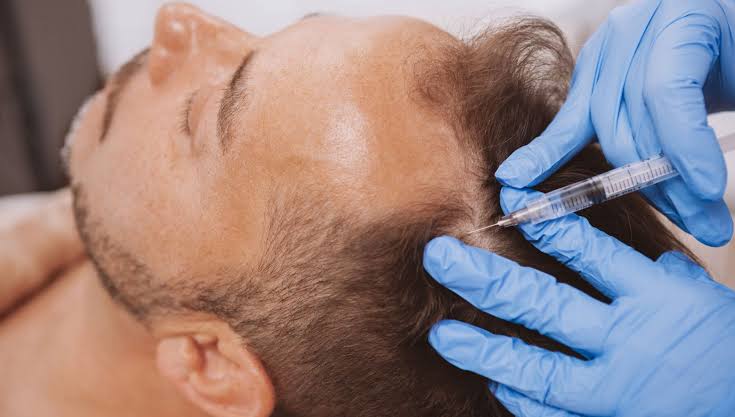
Hair Loss & Regenerative Hair Treatment
A structured hair-loss programme combining medical diagnosis and evidence-based therapy with selected regenerative options where appropriate.
- Medical assessment of the cause of hair loss
- Evidence-based medical hair-loss treatment
- PRF
- Selected exosome-based or regenerative therapies where appropriate
- Long-term monitoring and treatment adjustment
Medical treatment first; regenerative options selected case by case
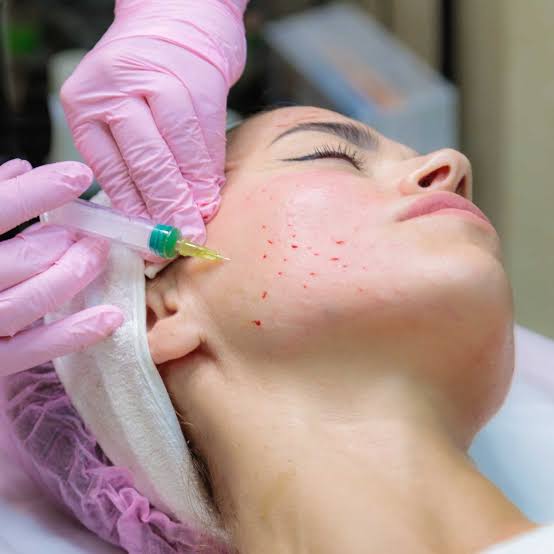
Regenerative Facial Aesthetics
Medical aesthetic treatment focused on skin quality, tissue support and natural-looking results, with established and emerging options clearly distinguished.
- Botulinum toxin treatment
- PRF-based treatments
- Biostimulatory treatments
- Selected regenerative products where appropriate
Medical aesthetic treatment
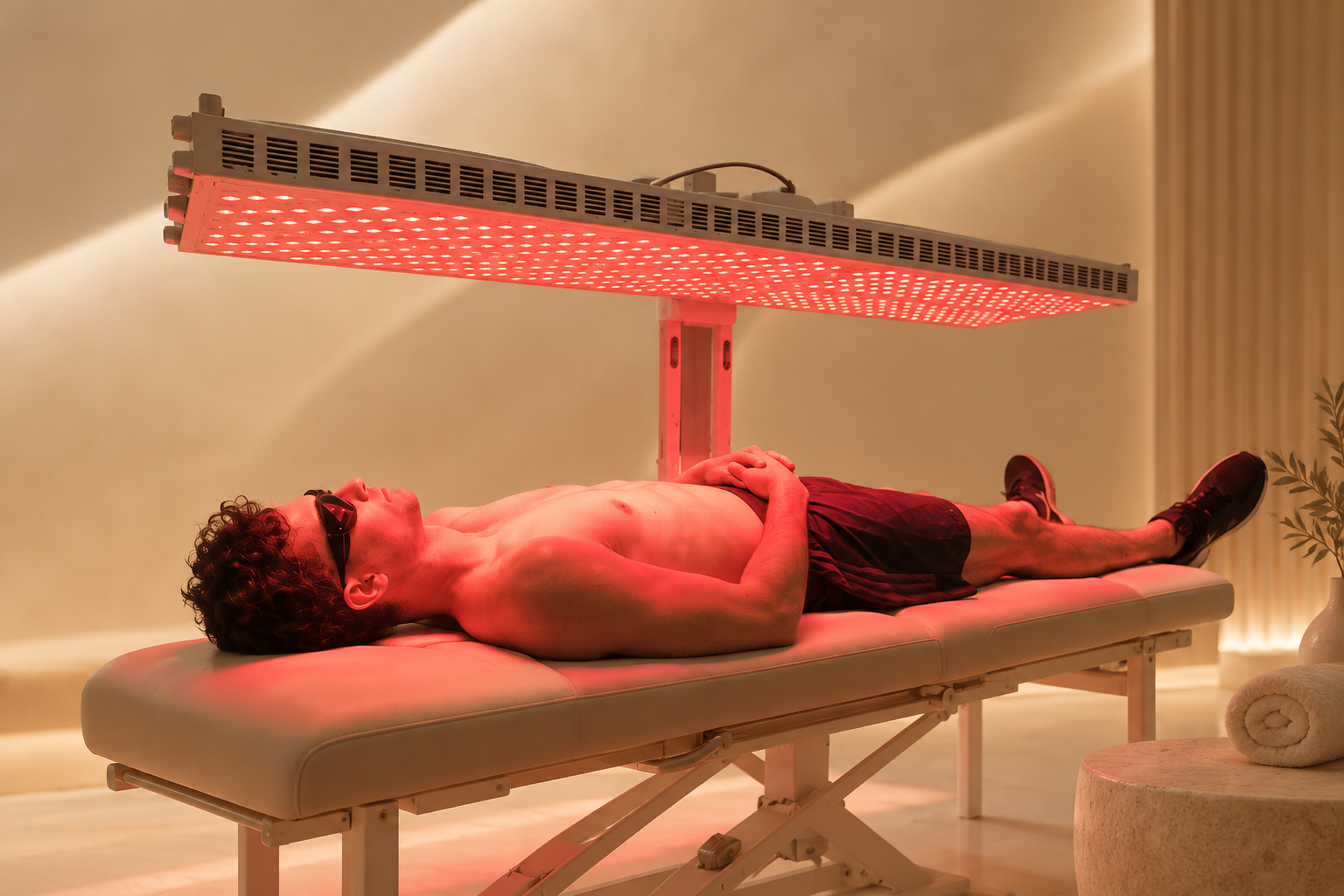
Advanced IV Infusion Centre
Medically supervised intravenous therapy delivered within the Centre of Advanced Medicine. Infusions are selected according to the clinical context, goals, medical history and relevant safety screening.
- NAD+ infusions
- Vitamin C infusions
- Magnesium infusions
- Glutathione infusions
- Individualised micronutrient or supportive infusions where clinically appropriate
- Photobiomodulation / red-light therapy available alongside selected recovery pathways
Supportive therapy; evidence and indications vary by infusion
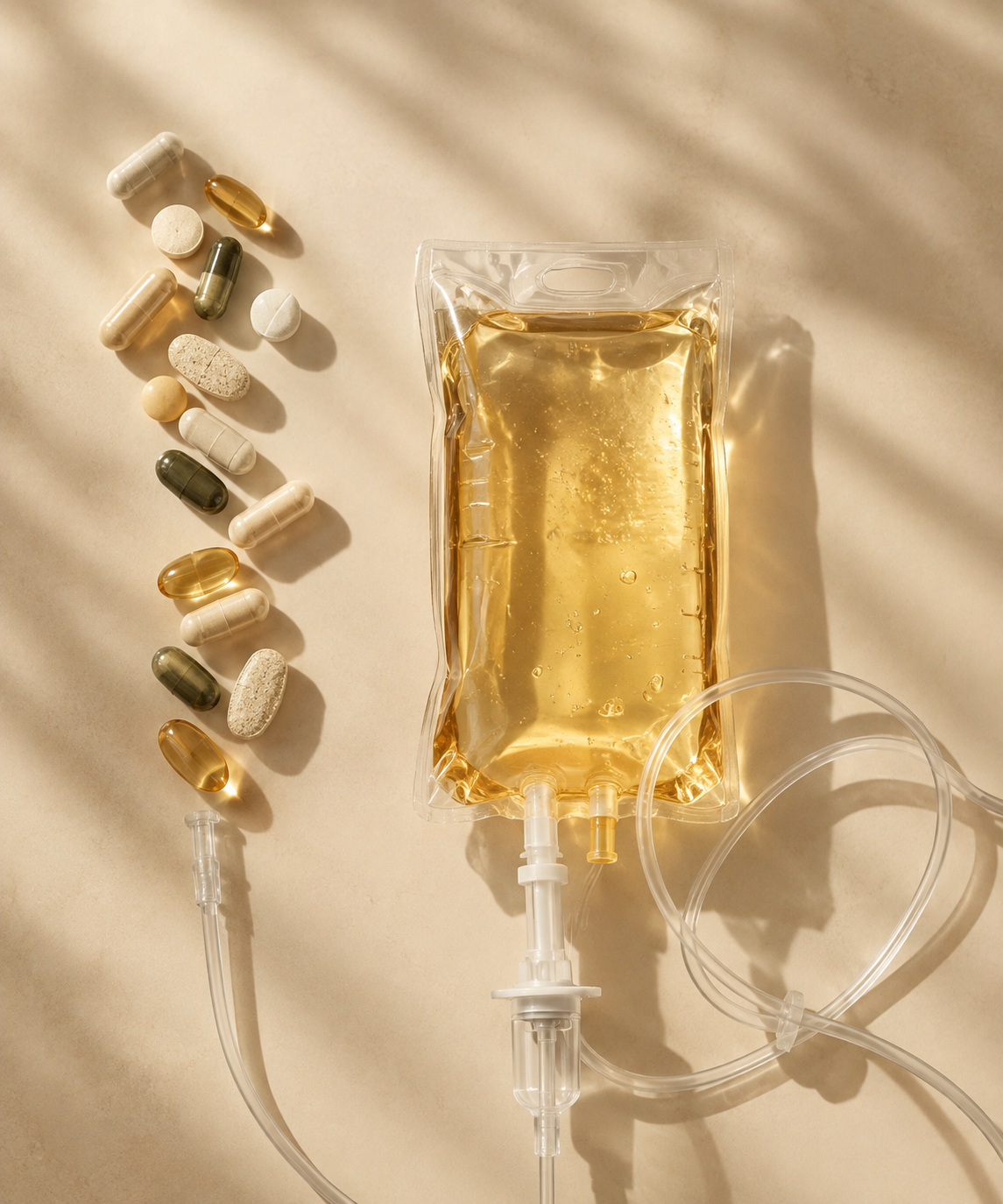
Gut & Microbiome Therapy
Treatment is directed by the clinical assessment and may include nutrition, symptom-directed medication and selected microbiome-informed interventions.
- Dietary and nutrition strategies
- Digestive enzymes, probiotics or prebiotics where appropriate
- Symptom-directed medical treatment
- Microbiome-informed recommendations where relevant, including adjunctive ENBIOSIS analysis
- Follow-up reassessment and protocol adjustment
Advanced IV Infusion Centre
Intravenous therapy, medically supervised.
MLI offers a dedicated IV infusion service within the Centre of Advanced Medicine. The aim is not to sell a universal “wellness drip”, but to select intravenous therapy only when the route, formulation and clinical context make sense.
NAD+
NAD+ is essential to cellular energy metabolism and redox biology. Intravenous NAD+ is increasingly used in longevity settings, but meaningful clinical outcomes remain under investigation. We present it as an emerging therapy, not a proven anti-ageing treatment.
Vitamin C
Intravenous vitamin C produces plasma concentrations not achievable orally. Its use depends on dose and indication, with higher-dose protocols requiring medical screening and appropriate monitoring.
Magnesium
Intravenous magnesium has established medical uses and may be appropriate when intravenous replacement or treatment is clinically indicated.
Glutathione
Glutathione is an important endogenous antioxidant. Intravenous use for general wellness or cosmetic outcomes has limited evidence, so it is offered only after appropriate clinical discussion rather than marketed as a detoxification or skin-lightening treatment.
Before an infusion, we consider medical history, renal function, current medication, relevant blood results and infusion-specific contraindications. Some higher-dose vitamin C protocols may require G6PD screening.
All IV infusions are clinician-screened and medically supervised.
How treatment begins
Treatment follows understanding.
Most treatment pathways begin with a consultation because the right therapy depends on the problem being treated, the evidence for that treatment, your medical history and the risks and benefits in your specific case.
Ready to begin?
Start with the consultation that best matches your main concern. We can then decide whether medication, lifestyle treatment, a procedure, supportive therapy or further investigation makes sense.
Important context
Medical content reviewed by Dr Arnav Kapur, MBBCh Cum Laude
Last reviewed: September 2026
- Established, supportive and emerging treatments are not equivalent in evidence.
- Not every therapy shown is appropriate for every patient.
- Emerging treatments do not replace indicated standard-of-care treatment.
- Specific treatment availability may depend on clinical assessment, product availability and regulatory requirements.