Diagnostics
Test with a purpose.
Not every patient needs more testing. They need the right testing. We use targeted blood work, body-composition assessment and selected advanced diagnostics when they are likely to improve understanding or change what we do next.
Testing is selected after clinical context is considered, not as a one-size-fits-all panel.
How we use diagnostics
Clinical question first. Test second.
Every investigation should answer a question. Results are interpreted alongside your history, symptoms, examination, medications and goals, and no single advanced test is used in isolation.
- Targeted, not maximal
- Interpreted in context
- Established and emerging tools clearly distinguished
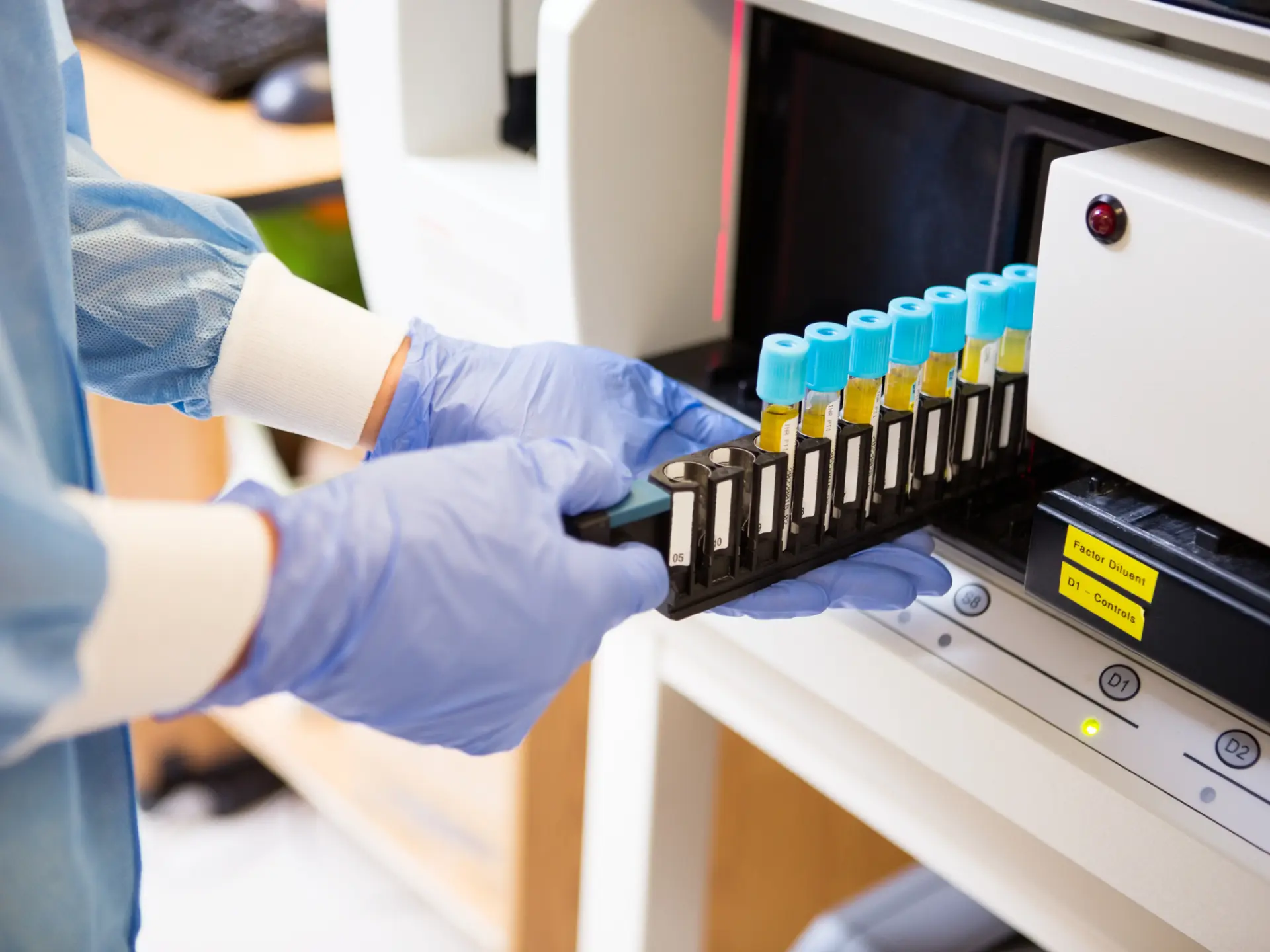
Advanced Blood Testing
Targeted blood testing selected around your symptoms, risk profile and clinical goals. Depending on the patient, this may include metabolic, cardiovascular, hormonal, nutritional and other relevant biomarkers.
- Selected according to clinical context
- Metabolic and glycaemic markers
- Cardiovascular and lipid risk markers
- Hormonal, nutritional and organ-function testing where indicated
Core clinical tool
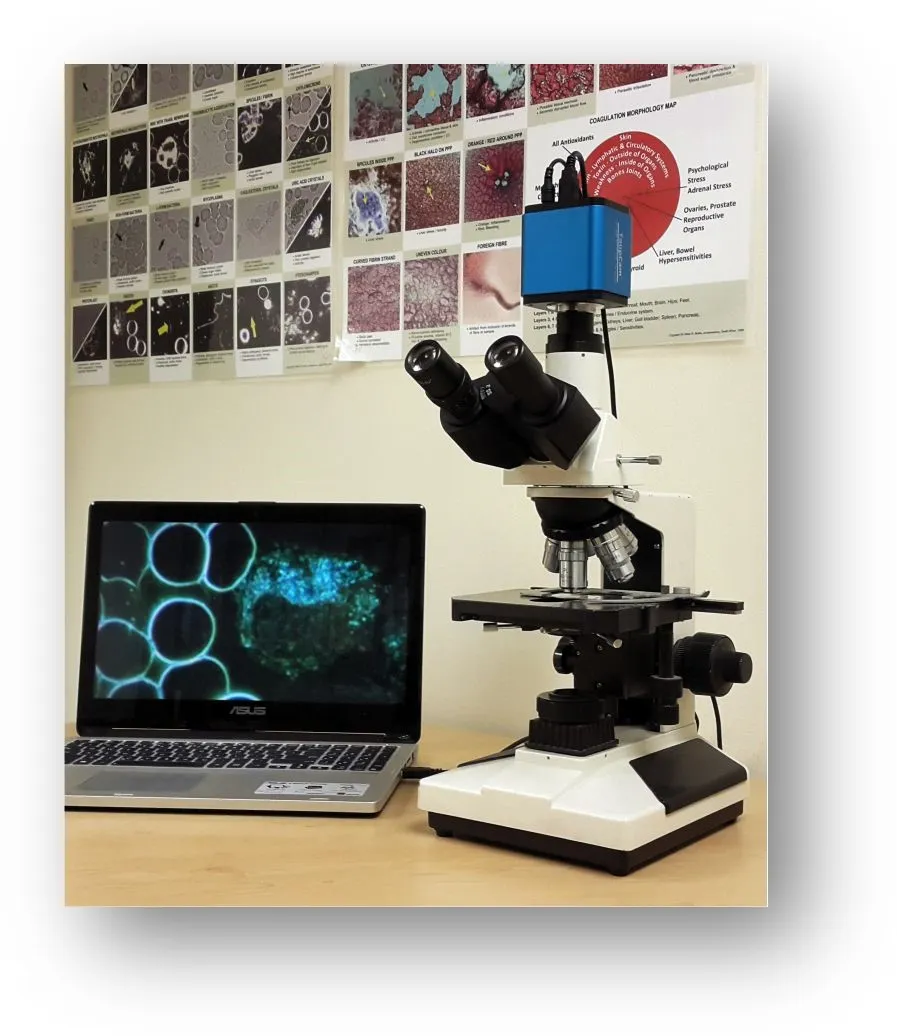
Live Blood Analysis
An in-room dark-field microscopy observation of a fresh blood sample. At MLI it is used only as an adjunctive observational tool and does not replace validated laboratory testing or conventional diagnostic investigation.
- Observed during the consultation
- May be used as an adjunct within selected gut-health pathways
- Not used to diagnose systemic disease, nutritional deficiency or infection
- Conventional laboratory testing remains the basis of medical diagnosis
Adjunctive / non-standard diagnostic tool
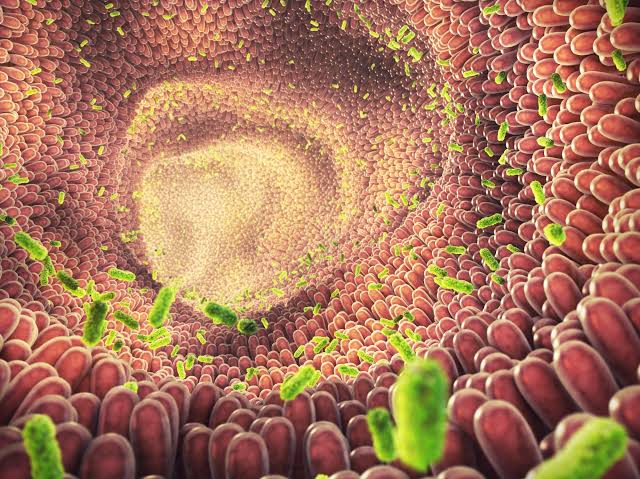
ENBIOSIS Gut Microbiome Analysis
ENBIOSIS analyses the gut microbiome and uses its platform to generate personalised nutrition and microbiome-directed recommendations. We interpret the report alongside symptoms, diet and conventional clinical assessment.
- Microbiome composition and diversity analysis
- Personalised nutrition recommendations
- May support structured management of selected digestive symptoms
- Used alongside, not instead of, conventional gastroenterological assessment
Emerging clinical tool

Multi-Cancer Early Detection
OncoVeryx is a blood-based multi-cancer early detection test designed to identify cancer-associated metabolomic signals across multiple cancer types. It is used as an additional screening tool, not as a replacement for established cancer screening or diagnostic investigation.
- Blood-based MCED technology
- Screens for cancer-associated signals across multiple cancer types
- Positive or concerning results require appropriate clinical follow-up
- Does not replace mammography, cervical screening, colon screening, imaging, biopsy or other indicated standard-of-care tests
Complementary screening tool

Mitochondrial & Cellular Health Testing
Selected emerging tests may provide additional information about cellular or mitochondrial biology. Their clinical value varies by test, so they are used selectively and interpreted cautiously.
- Considered only where clinically relevant
- May provide adjunctive information in selected fatigue, performance or longevity assessments
- Results require clinical interpretation
- Not a substitute for established investigation of fatigue or medical disease
Emerging / adjunctive

Pharmacogenomics & Selected Genetic Testing
Genetic testing may help explain variation in medication metabolism or inherited risk in selected situations. Results are interpreted alongside clinical factors and do not determine treatment decisions on their own.
- Pharmacogenomic information where clinically relevant
- Selected inherited-risk assessment
- May inform medication selection or monitoring in appropriate cases
- Interpreted alongside medical history, other medicines and established prescribing guidance
Clinical use depends on the specific test
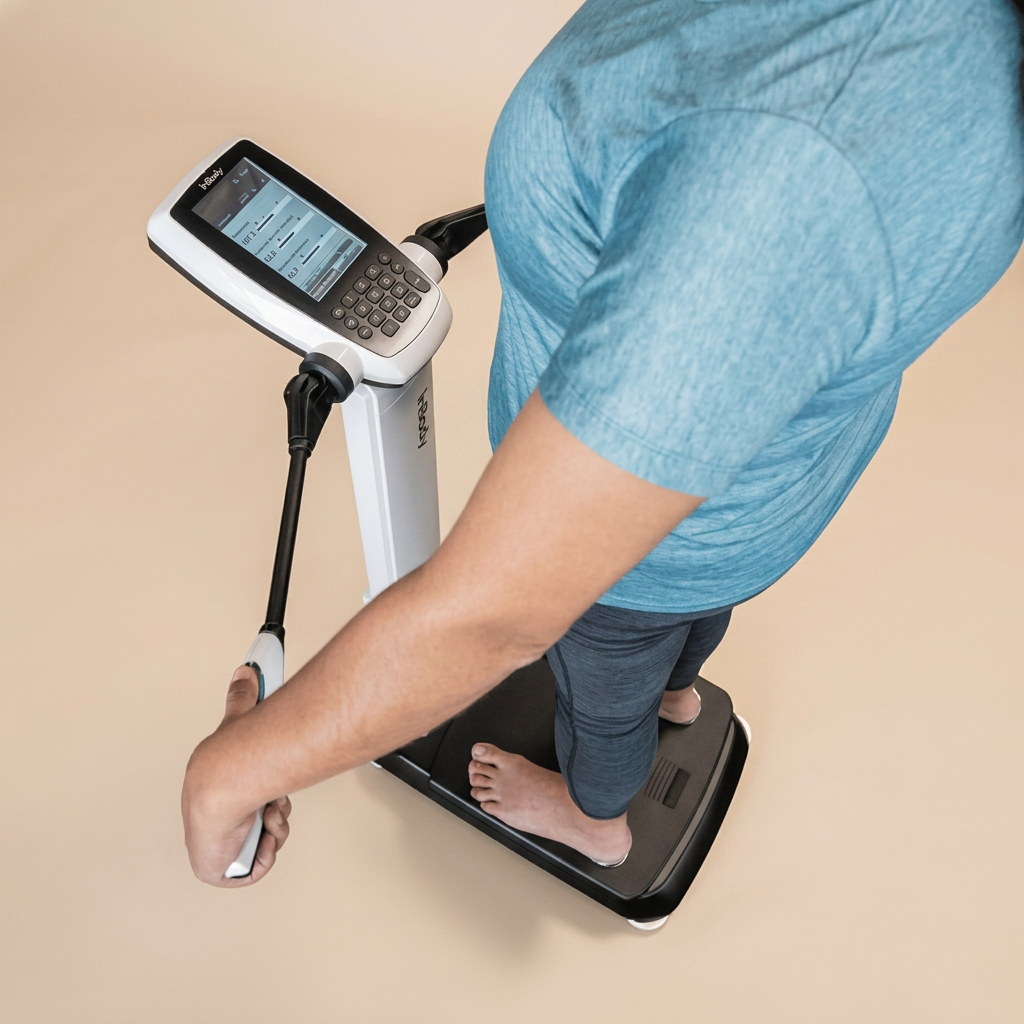
Body Composition & Metabolic Assessment
InBody bioelectrical impedance analysis provides a practical estimate of body composition, including muscle mass and fat distribution, and is useful for tracking change over time.
- Estimated skeletal muscle and body-fat measures
- Visceral-fat and segmental body-composition estimates
- Useful for weight-loss and muscle-preservation planning
- Best interpreted as a trend over time under similar measurement conditions
Clinical monitoring tool

DEXA Scan
DEXA (dual-energy X-ray absorptiometry) provides a detailed assessment of bone density and body composition, including regional fat and lean-mass distribution. It is used selectively where it will inform clinical decisions.
- Bone mineral density measurement where osteoporosis risk is a concern
- Detailed body composition, including visceral-fat estimation
- Useful baseline and monitoring tool in metabolic, hormonal and longevity care
- Interpreted alongside clinical history and other investigations
Clinical monitoring tool
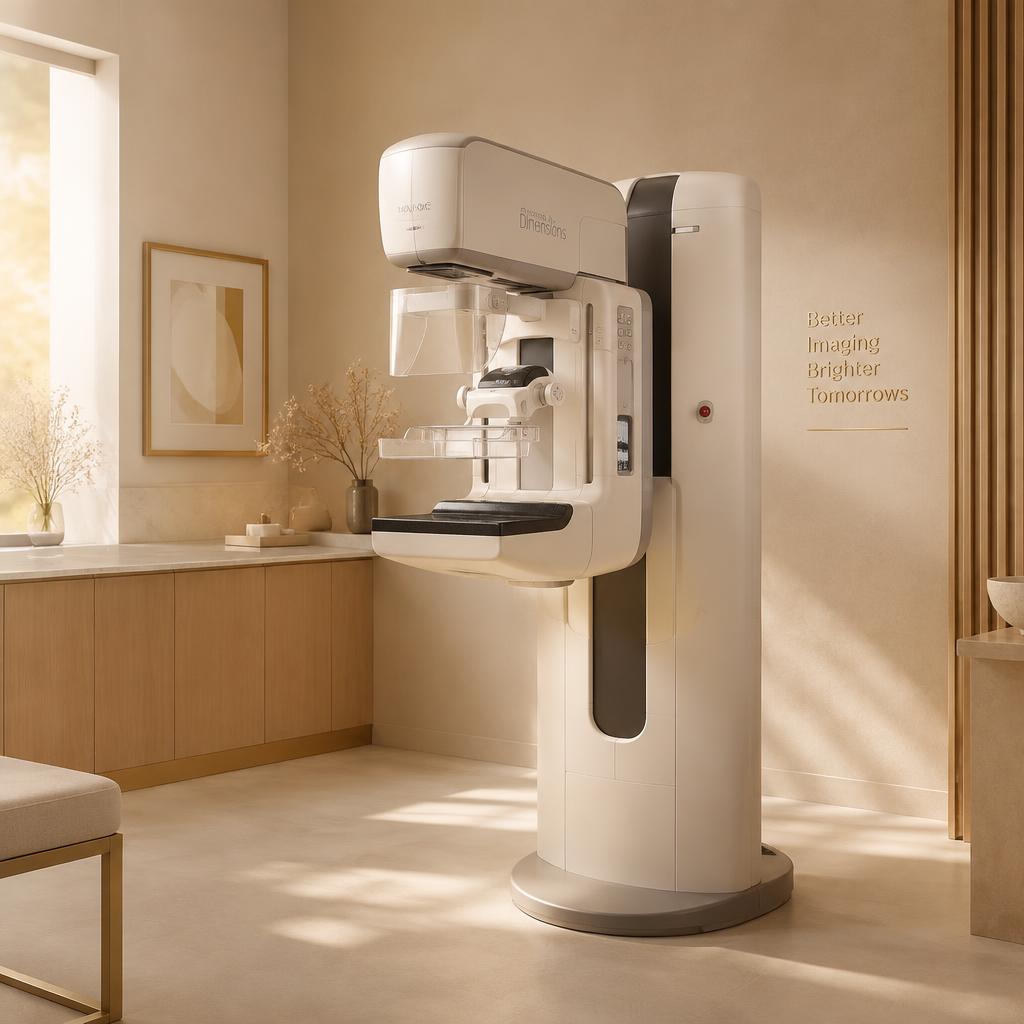
Mammography Screening
Breast screening is recommended and arranged according to age, symptoms, family history and individual risk. We discuss the benefits and limitations of screening openly and guide follow-up of any findings.
- Screening intervals tailored to age and personal risk
- Arranged with appropriate imaging services
- Results reviewed with you and followed up where needed
- Part of a broader preventative health assessment
Established screening tool

Testing is a means to a decision, never the destination.
Results are reviewed alongside your clinical history and other investigations. Where a test is emerging or adjunctive, we explain its limitations and what it can, and cannot, tell us.
Explore TreatmentsThe gut pathway
From symptoms to a structured gut-health plan.
Gut Health & Microbiome Consultation
A focused review of digestive symptoms, bowel function, diet, medication and relevant medical history.
Targeted Investigation
Conventional testing is used where indicated. ENBIOSIS microbiome analysis or live blood observation may be added selectively as adjunctive tools.
Personalised Management
Nutrition, symptom-directed treatment and follow-up are tailored to the clinical picture and adjusted according to response.
Important context
Medical content reviewed by Dr Arnav Kapur, MBBCh Cum Laude
Last reviewed: September 2026
- Advanced diagnostics do not replace appropriate standard-of-care investigation.
- The usefulness of emerging tests varies by patient and by test.
- Screening tests are not diagnostic; abnormal results may require further investigation.
- Testing is selected according to clinical context.